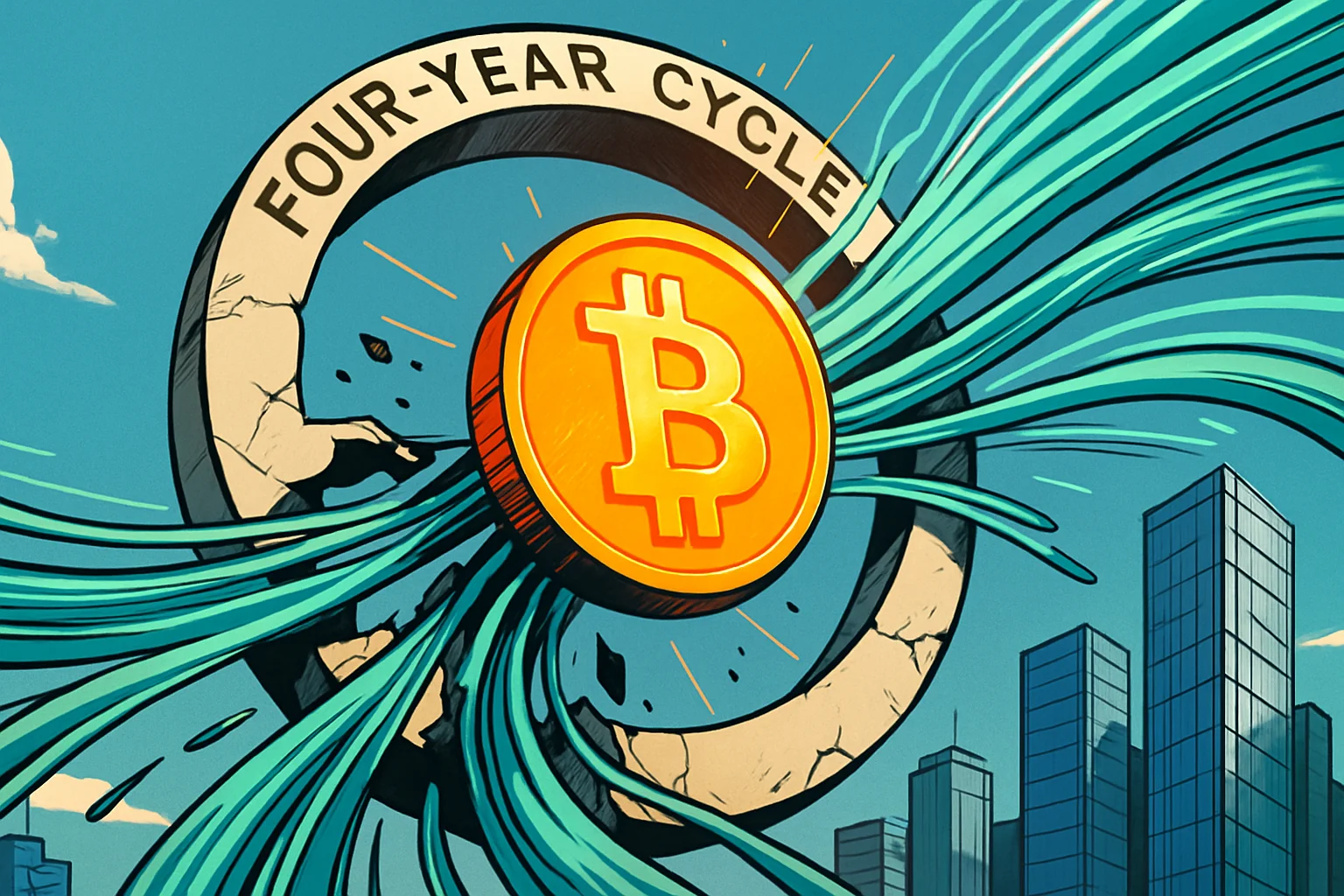
Cardano founder warns: Quantum upgrade is blockchain "economic suicide" and performance will be reduced by at least 1/10
Cardano founder Hoskinson warned that hasty upgrades to quantum cryptography at this stage may drag down blockchain performance, and network costs up to ten times may cause the industry to self-destruct first.
(Previous summary: a16z long article: What risks does quantum computing bring to cryptocurrency? )
(Background supplement: VanEck CEO said: If Bitcoin cannot fight against quantum, "we will exit", and the old money in the market will be transferred to ZCASH)
Contents of this article
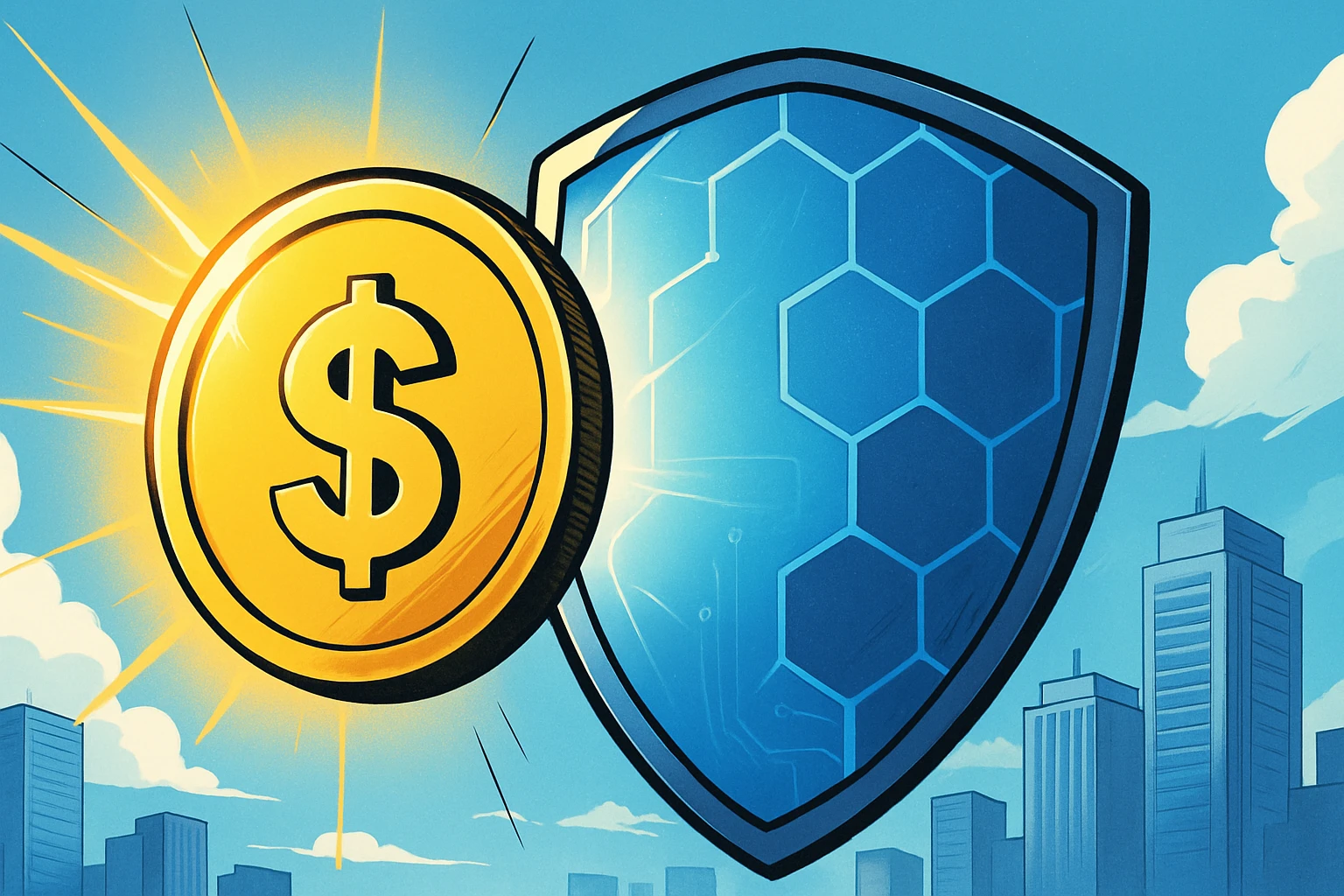
In 2025, when the Trump administration vigorously embraces cryptocurrency At the end of the year, what really keeps blockchain developers awake at night is not regulation, but when quantum computers will destroy Bitcoin’s defenses. Cardano founder Charles Hoskinson pointed out on the 22nd that the introduction of post-quantum cryptography (PQC) at this stage seems to be holding up a shield, but in fact it may cause the entire chain's transmission volume to be cut in half instantly, which is tantamount to "economic suicide."
Timetable under the quantum threat
Hoskinson cited the Quantum Benchmarking Initiative of the US Defense Advanced Research Projects Agency (DARPA) and pointed out that the key node for determining "practical-level quantum computing" will fall in 2033. He believes that only when the scientific community determines that quantum hardware can stably perform destructive operations will it be urgent to completely replace the encryption algorithm. Acting prematurely will only invest scarce on-chain resources into immature technology.
Hoskinson emphasized the "10x rule": after adopting PQC, the calculation speed will be reduced by an order of magnitude, the proof file will be enlarged ten times, and ultimately the overall network efficiency will be reduced by ten times. The traditional Ed25519 signature is only 64 characters, but the ML-DSA signature proposed by NIST has increased to 2.5 KB. The expansion of the signature volume directly compresses the available space of the block, forcing nodes to pay higher storage and bandwidth costs, which is particularly fatal for financial applications that rely on high-frequency transactions. Hoskinson bluntly said:
"If you adopt it now, you are basically cutting the throughput of the blockchain to zero. It is like putting tank armor on a racing car. Although it is bulletproof, it can't run."
Format War: Lattice vs Hash
PQC is not a single path, but there are two camps of "lattice basis" and "hash basis". The Ethereum community currently favors hash family algorithms, such as STARKs. The advantage is that the proof is reliable and no additional trust settings are required. The disadvantage is that the signature package is huge, which creates an expansion bottleneck for high-throughput blockchains. In contrast, Cardano opts for a lattice-based approach. The lattice algorithm highly overlaps with the AI training process and can be directly accelerated by existing GPU hardware, saving the cost of redesigning ASICs while maintaining transaction capacity.
Waiting for Hardware: Cardano’s Progressive Strategy
In Hoskinson’s view, although Q-Day cannot be ignored, the worst-case scenario is still several years away. Cardano is currently adopting an incremental approach, such as using the Mithril protocol to establish post-quantum checkpoints for the blockchain to maintain mainnet performance while adding backup. This move is equivalent to putting the lifeboat on the deck first and then observing whether the storm actually forms, rather than immediately transforming the entire ship into a sluggish steel fortress.
When the Trump administration regards cryptocurrency as a new economic engine, the choices faced by developers are not only about technology, but also about capital flow and user experience. In the next decade of the industry, teams that patiently wait for their hardware to mature may face off against competitors that rush to upgrade but are dragged down by performance. Hoskinson’s warning sounds like a blaring siren: Don’t burn out the fuel in the harbor before the true quantum age arrives.