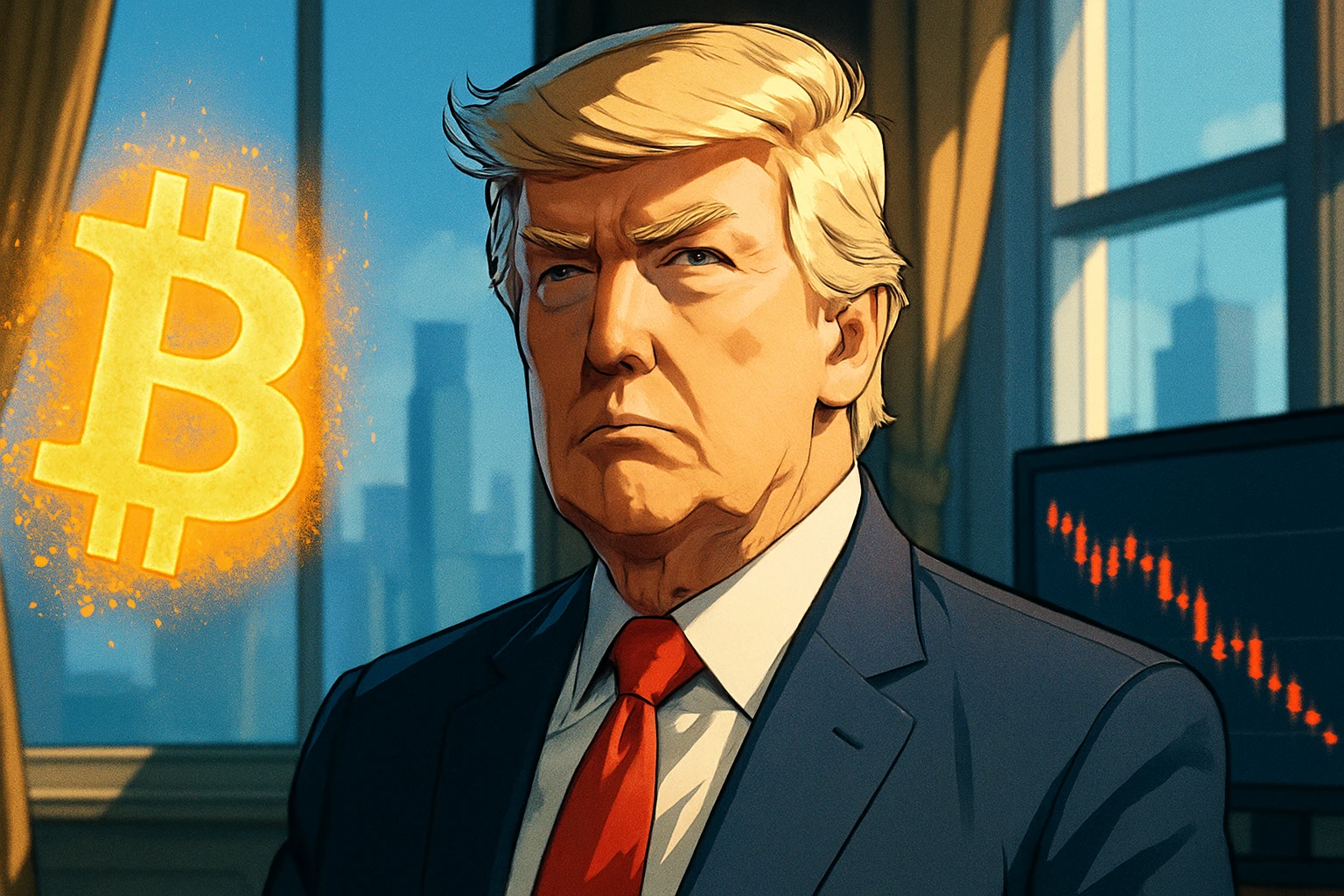
Trump threatens to fire Ball again: He is so incompetent that he should be prosecuted. If you don’t deal with it, Bessant, I will fire you.
Trump publicly threatened to fire Powell and Bessant at the US-Saudi Forum, affecting the independence of the Federal Reserve, and the Supreme Court will become the next battleground
(Preliminary summary: Trump announced that the candidate for the next Fed chairman has been decided: announced before Christmas that he wanted to replace Powell, but someone hindered me)
(Background supplement: Musk returned to the White House to "shake hands with Trump" and attended a banquet with Tim Cook, Ronaldo, and Jen-Hsun Huang)
Contents of this article
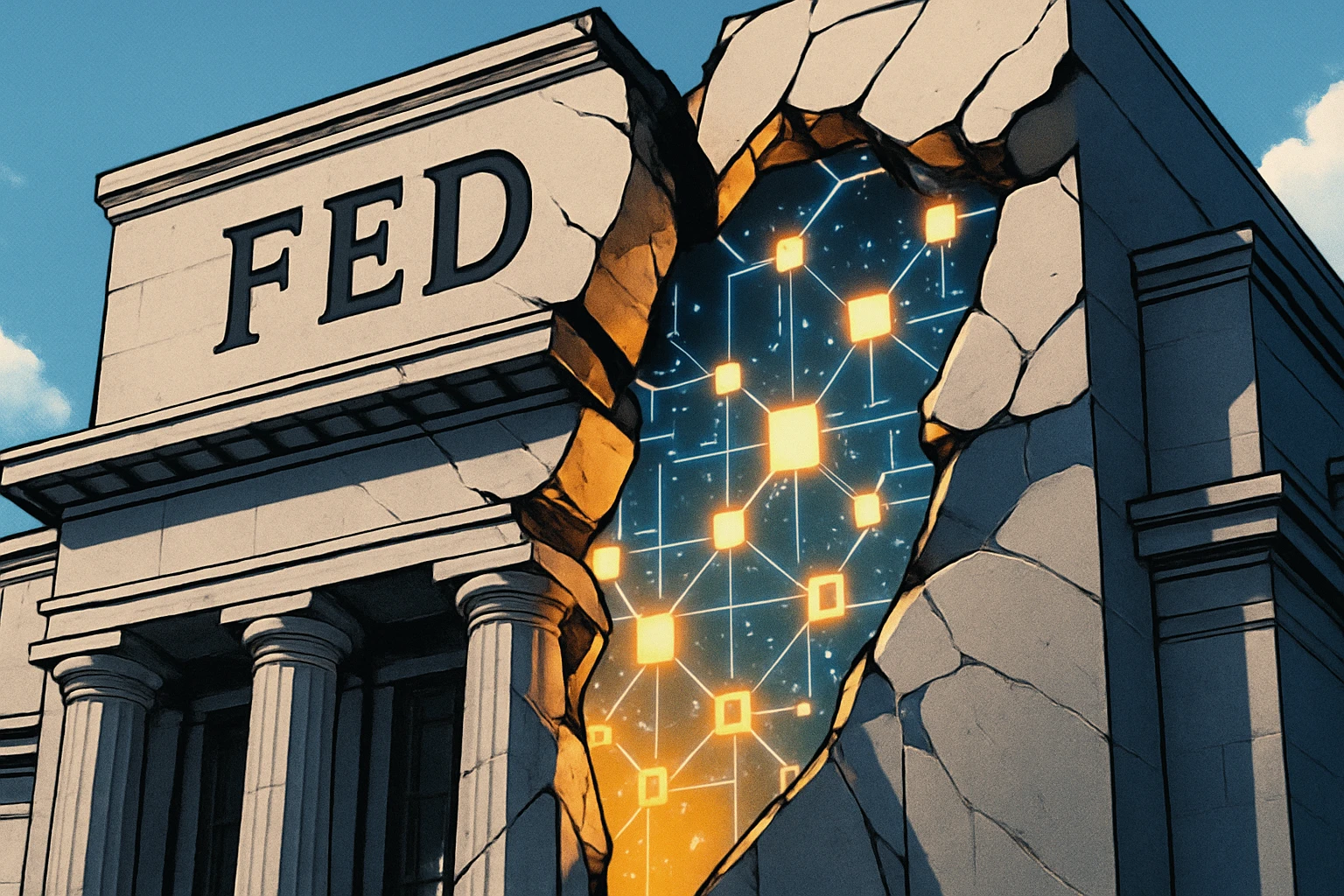
U.S. President Trump blurted out the "fire" threat at the "U.S.-Saudi Investment Forum" this week, which instantly set alarm bells ringing on Wall Street. This was not just an emotional speech, but a punch directed at the independence of the Federal Reserve, forcing the market to turn its attention from the interest rate dot plot to the tug of war between the White House and the Supreme Court.
"Fired" warning in Washington spotlight
The Federal Open Market Committee (FOMC) lowered the overnight interest rate to a range of 3.75%-4% in October, but it was still dismissed by Trump as "not enough." On the stage, he harshly criticized Fed Chairman Jerome Powell as "grossly incompetent" and said:
"I really want to fire his ass."
The target of the attack then turned to Finance Minister Bessant:
"Interest rates are too high, Scott, and if you don't fix this problem soon, I'm going to fire you too."
When the president puts the responsibility for monetary policy directly on the cabinet, what the market reads is that the White House's patience with the Fed has run out.
White House Split: Buffers vs. Radicals
Faced with Trump's public humiliation, Bessant still advocates maintaining system stability and becomes one of the few "buffers" in Washington. Opposing him are the radicals led by Commerce Secretary Lutnick, who advocate the immediate removal of Ball and "let him go." White House spokesman Kush Desai later claimed to have "confidence" in Bessant, but in the Washington context, this often means that the other party is in danger.
The chain reaction from the court to the market
The real decisive point may not be in the Oval Office, but in the Supreme Court. This May's Trump v. Wilcox decision expanded the president's scope to fire officials of independent agencies, leaving a gap for challenging the Federal Reserve. The next key battle is Trump v. Cook, where Trump is trying to remove Federal Reserve Governor Lisa Cook for “mortgage fraud.” The case will be argued on January 21, 2026. The Trump team intends to redefine "just cause" and advocates that the president has absolute personnel power over central bank officials.
If the Supreme Court ultimately supports Trump’s statement, the risk premium on U.S. dollar assets may have to be revalued; conversely, if the Federal Reserve is confirmed to have stronger tenure security, the White House’s influence on the path of interest rates will be sealed.
Stress test of the bottom line of the system
This storm has caused the market to face double uncertainties at the same time: whether Ball can survive until the end of his term in 2026, and whether Bessant can survive the current crisis safely. Investors who used to focus on the non-farm payrolls report or core inflation numbers now have to pay close attention to the Supreme Court's schedule. The reason is simple - if Trump can really fire the top central bankers based on "policy differences", there will be a gap in the century-old defense line of the Fed's independence, and that will change the way global funds price the U.S. system.
Before the conclusion emerges, Wall Street can only look for clues in the interest rate matrix and the sound of the gavel. Trump’s ultimatum reminds one thing: This is not just an attack and defense on borrowing costs, but also a stress test on the U.S. financial constitutional framework.