X402 The Importance of Stablecoin Payments
The X402 protocol simplifies the payment process, allowing users to use the on-chain payment network without knowing it. At the same time, it changes the wallet, identity and value settlement layer, gradually guiding the traditional financial system into a parallel crypto-financial universe. This article originates from an article written by Blue Fox Notes and is organized, compiled and written by Foresight News.
(Preliminary summary: Behind the x402 craze, how ERC-8004 allows AI agents to have "credit scores")
(Background supplement: The Ethereum Foundation dAI team announced the 2026 roadmap: decentralized AI agents focus on ERC-8004 and x402)
Contents of this article
X402+ Stablecoin + Facilities on the encrypted chain will gradually and continuously have an impact on the existing payment system, not only using stable coins, but also transferring money, credit, identity and data into a parallel financial universe.
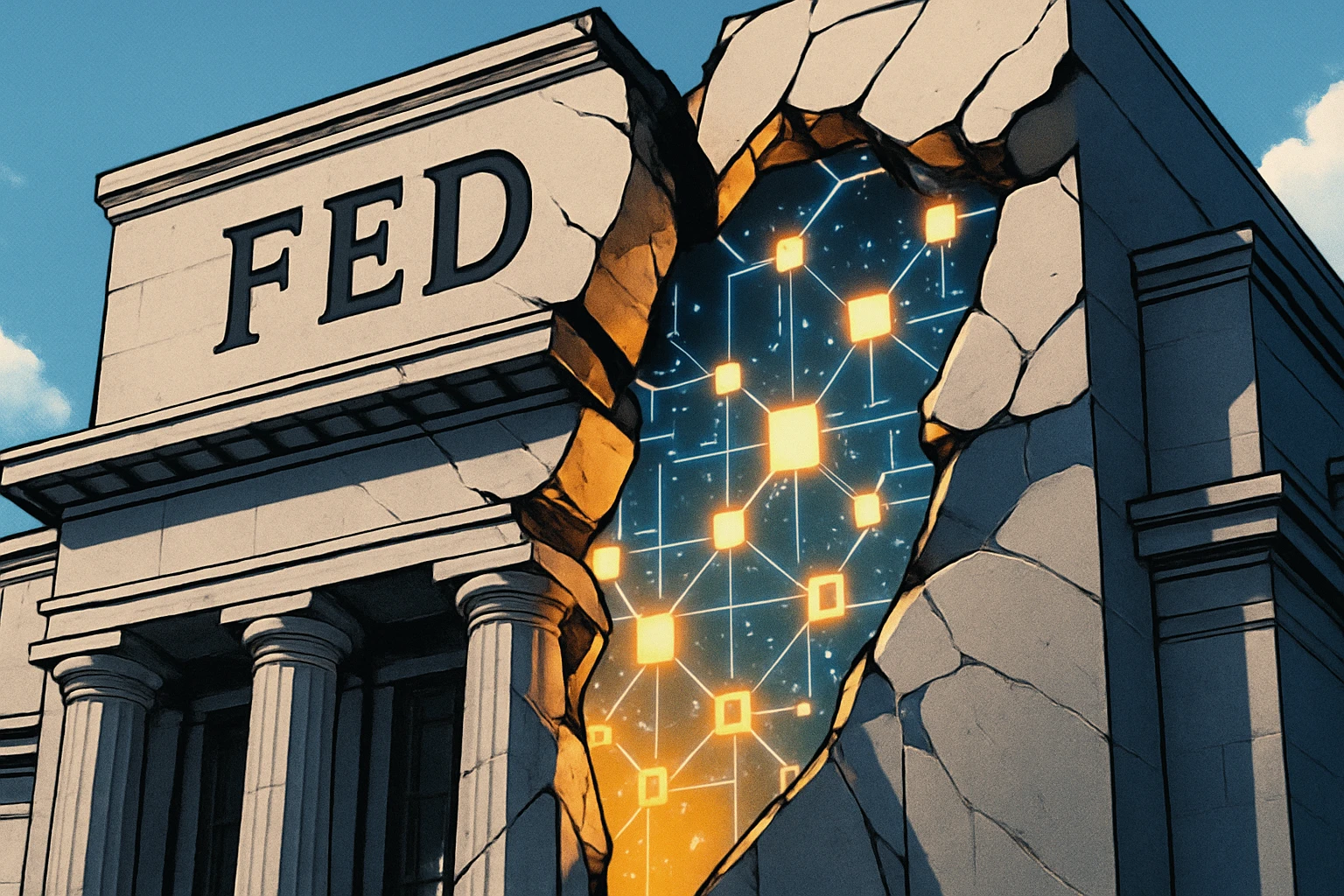
X402 is so important for stablecoin payments that some people (such as Lincoln Murr) likened it to a "Trojan horse". This is a very good metaphor. This Trojan horse is not just using a "stable currency". Instead, it gradually affects users in three aspects, thereby reshaping the financial payment network.
For previous stablecoin payments, users need to: open wallet → connect → sign transaction → pay gas fee → wait for confirmation. For most non-encryption native users, this process is too complicated, because creating a crypto wallet has excluded 90% of users
And the X402 process (for users): click on a paid content (such as a paid short drama, etc.) → the browser/wallet pops up "3 USDC required", click "Allow" → the payment is completed and the content is unlocked immediately. Users do not need to know that they are paying stablecoins (such as USDC), paying to a certain chain (Base), or paying to an AI agent. TA feels "as smooth as using Apple Pay." For users who do not have stable coins in their wallets, the agent can advance payment, pop up Apple pay/credit card and buy USDC instantly for payment, and an embedded wallet (such as Privy SDK/Passkey) will be automatically created in the background.
Behind this simple user payment process, all the complexity is pushed to the backend. For example, the agent automatically selects a cheaper chain/exchanges stablecoins/replenishes gas fees. The standardization and minimalist protocol of X402 allows any website/AI application to accept stablecoin payments on any chain by adding a few lines of code.
1. Unknowingly, the landscape of the "payment network" has been changed
Users think they are using the "new online version of Apple Pay", but in fact the payment is through the linked network (such as Base/Arbitrum/Solana, etc.) instead of Visa, MasterCard, Apple Pay, Pix, etc.
This means that in the future, some of the routing, clearing and settlement, data, fees, rules, reviews, and benefits of micropayments will gradually be taken away by supported public chains/L2 ecosystems and stablecoin issuers, and the traditional payment network market will be partially cannibalized.
2. Unknowingly, the user's "wallet and identity" is changed
When the user clicks "Apple Pay-style payment", the background can automatically create an embedded wallet (such as passkey device-level self-hosted/Privy managed private key) for the user. In this way, subsequent on-chain operations, including saving/borrowing/investing/trading, etc., can be bound to this wallet. This is a global on-chain financial wallet/identity.
3. Unknowingly, the "final settlement layer of currency and value" has been changed.
Users initially pay in fiat currency, which is converted into stablecoins such as USDC, and some of these stablecoins will stay on the chain instead of returning to the traditional banking system. This money will be used by AI agents on the chain to pay other AI agents; after the creator obtains the stable currency, it is converted into ETH to participate in staking to earn interest; the project party uses it to buy treasury bonds to generate more stable coins. And so on, some of the stablecoins that flow into the chain become liquid on the chain and become a crypto dollar cycle, rather than flowing back to the traditional financial system.
In general, X402+ stablecoin + encryption on-chain facilities will gradually and continuously have an impact on the existing payment system, not only using stablecoins, but also transferring money, credit, identity and data into a parallel financial universe. In this process, the user experience is similar to the traditional online payment experience. So, this is a Trojan horse.