Is Bitcoin selling pressure about to end? K33: Long-term holders’ shipments are coming to an end, and institutional demand will turn around in 2026
K33 Research, a cryptocurrency research and brokerage agency, pointed out that after two years of massive selling by long-term Bitcoin holders, the selling pressure is approaching the saturation stage. As the profit-taking pressure of early investors gradually weakens, the selling pressure on the chain is expected to be significantly relieved, thus bringing a potential turnaround for the market.
(Preliminary summary: Glassnode: Bitcoin is weak and volatile, big fluctuations are coming?)
(Background supplement: Bitcoin predictions in 2025 have collectively overturned, why did institutions get it wrong together?)
K33 Research, a cryptocurrency research and brokerage agency, released the latest report on December 16, stating that long-term Bitcoin holders (Long-Term Holders (LTH) has reached a saturation stage after two years of massive selling. As the profit-taking pressure of early investors gradually weakens, the selling pressure on the chain is expected to be significantly relieved, thus bringing a potential turnaround for the market.
Large-scale allocation by long-term holders, reshaping the Bitcoin ownership structure
K33 Research Director Vetle Lunde analyzed in the report that since the beginning of 2024, the supply of Bitcoin held for more than two years has continued to decline, during which approximately 1.6 million BTC (approximately $138 billion) was reactivated and entered the circulation market. This has been one of the largest long-term holder selling phases in Bitcoin history, with 2024 and 2025 ranking as the second and third largest long-term supply reactivation years in history, respectively, behind only 2017.
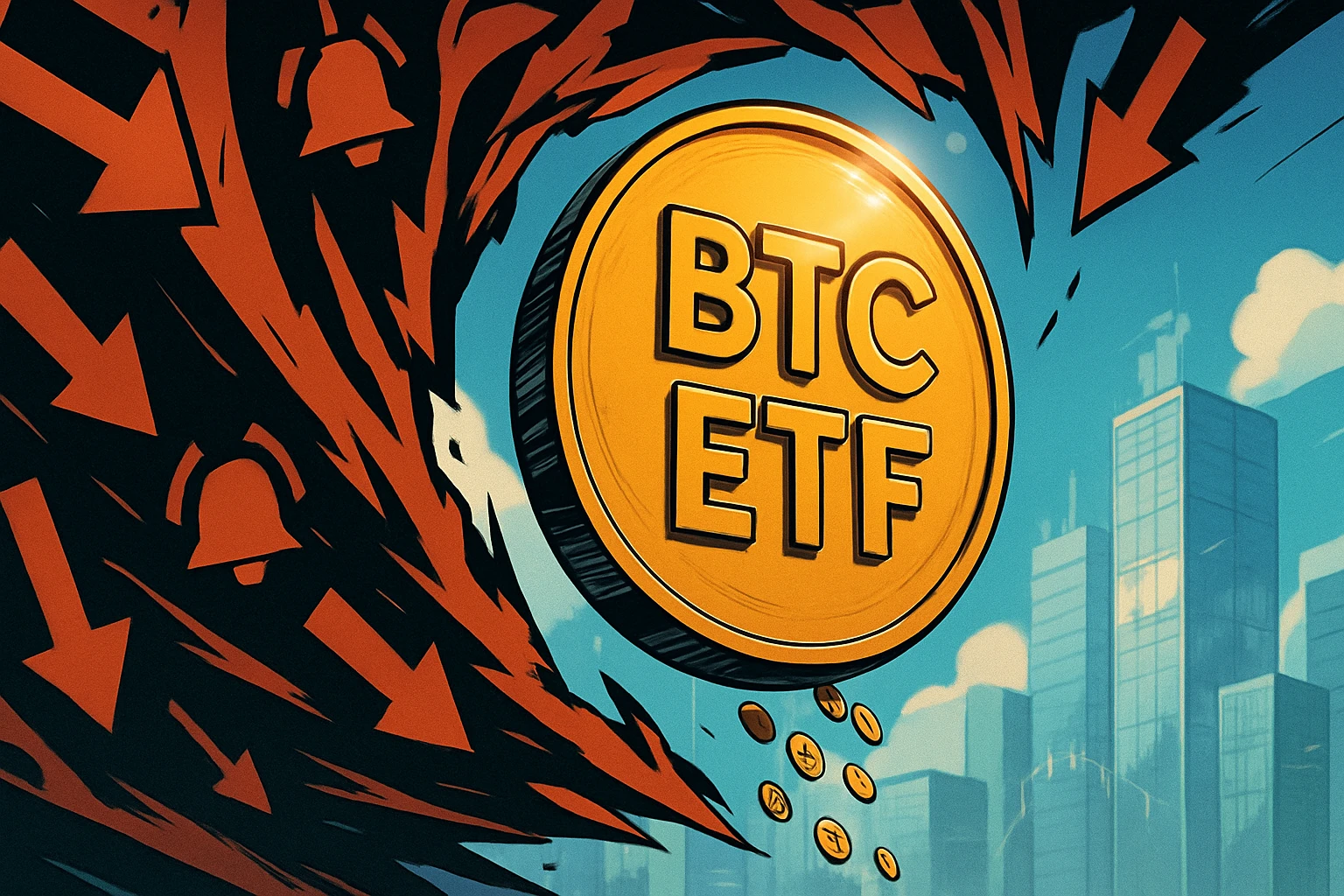
However, unlike 2017, which was mainly driven by the altcoin trading and ICO boom, this round of selling is characterized by long-term holders selling Bitcoin directly into deep liquidity pools, which corresponds to institutional-level buying brought by US spot Bitcoin ETFs and strong demand from companies to include Bitcoin on their balance sheets.
The report cites several large transactions as examples, including an over-the-counter transaction of 80,000 BTC completed by Galaxy Digital in July, a whale selling 24,000 BTC for Ethereum in August, and another holder selling approximately 11,000 BTC between October and November. K33 emphasized that this type of behavior by large investors is quite common and is one of the main reasons for Bitcoin’s weak performance relative to other assets in 2025.
K33 continued to point out that this year alone, approximately $300 billion worth of Bitcoin supply with a holding period of more than a year has been reactivated. Lunde said the emergence of institutional liquidity allowed early holders to realize dozens of times profits at six-figure prices, significantly reducing the concentration of Bitcoin ownership and establishing a new price reference benchmark for a large circulating supply.
The selling pressure is about to saturate, and the supply trend is expected to reverse in 2026
Looking to the future, K33 is optimistic that the selling pressure will soon come to an end. Lunde pointed out that “20% of the Bitcoin supply has been reactivated in the past two years, and we expect on-chain selling pressure to be close to saturation.” He predicts that the two-year holding supply of Bitcoin, currently around 12.16 million coins, will end its downward trend and rise back above current levels by the end of 2026. By then, net buying demand will gradually emerge as selling from early holders subsides.
In addition, the report also mentioned that quarter-end portfolio rebalancing operations may bring short-term support to Bitcoin. Historical data shows that Bitcoin often moves in the opposite direction to the previous quarter at the beginning of a new quarter. With the fourth quarter lagging other assets significantly, institutional investors with fixed allocation targets are likely to rebalance from late December to early January, bringing in inflows similar to what happened in late September to early October this year.
However, Lunde also reminded that historically the peak supply reactivation usually occurs near the top of the overall market, rather than the bottom. However, this cycle is different: Bitcoin is accelerating its integration into the mainstream financial system, gaining wider institutional access through ETFs, financial advisory platforms and a clearer regulatory framework. This will provide Bitcoin with a more durable demand base once selling pressure from long-term holders subsides.
Overall, K33’s report sends a cautiously optimistic signal: although the selling pressure of OG currency holders may still cause volatility in the short term, this structural pressure is nearing the end, and the market focus is expected to shift to emerging buying and institutional allocation needs.