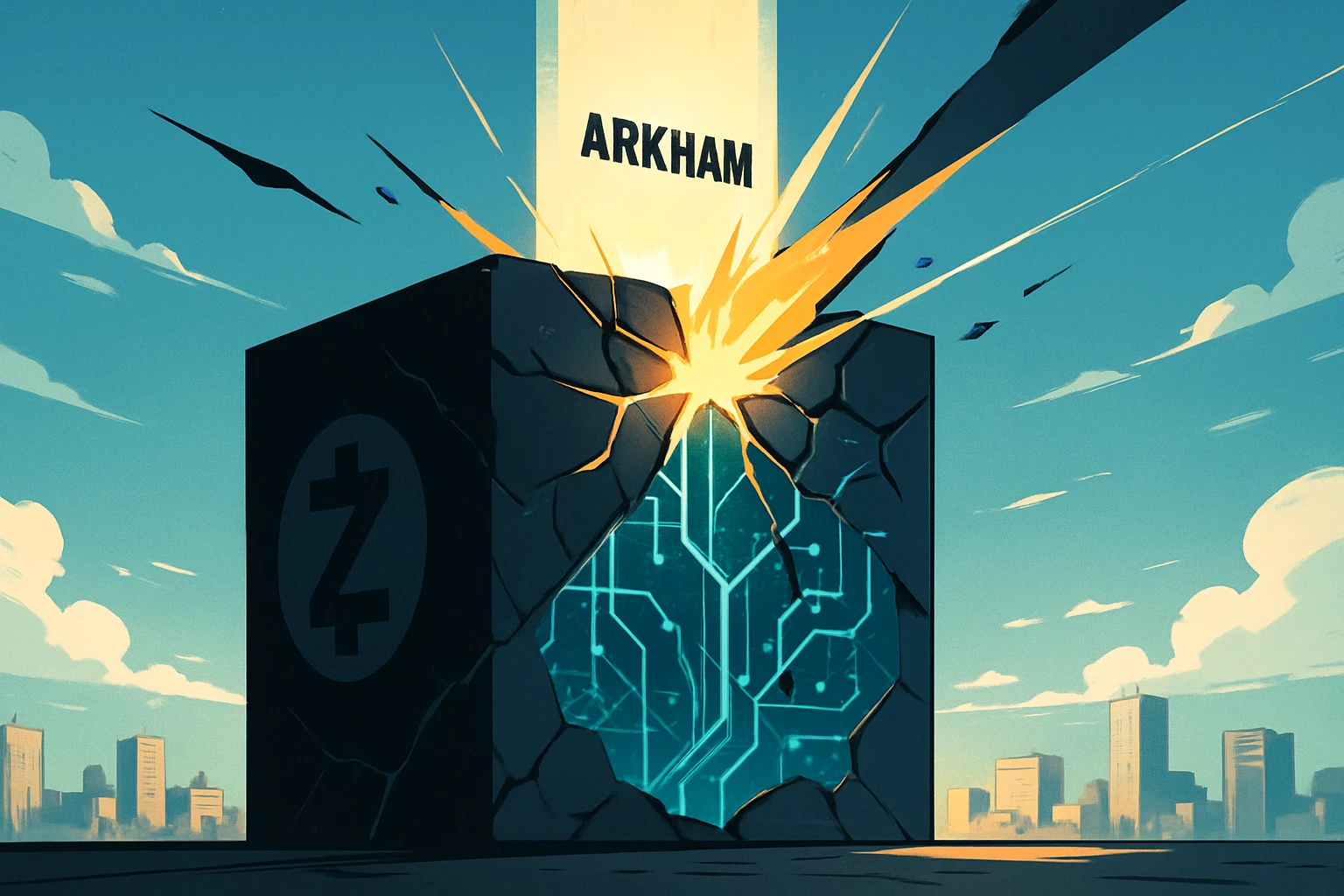
The 4-year cycle is dead! Bitwise: In fact, it entered a bear market in February 2025, but the DAT Reserve Company’s buying saved crypto.
The CEO of Bitwise announced that the four-year halving model has failed, and 2025 will become an "invisible bear market" supported by corporate whales, opening a new game for 2026.
(Preliminary summary: JPMorgan Chase: Driven by AI super cycle, the S&P 500 index is expected to grow by another 17% in 2026)
(Background supplement: AI is killing miners: "Energy run" has opened up a new cycle, what fate intersection do mining companies stand at?)
Bitcoin is stubbornly above $90,000, and many investors are debating whether this is the transition period of the crypto bull and bear market? Bitwise CEO Hunter Horsley said in a Twitter post:
The four-year cycle in the crypto market is dead! Looking back at 2025, we actually entered a bear market in February, but it was covered up by the continuous buying orders from DAT Reserve Company and Bitcoin Reserve Company.
He pointed out that the fate of falling after the halving was broken by "super buyers" in 2025, and the market has been cleared in advance, leaving only the price at a high level.
4 year cycle is dead.
The market has changed. Matured.
We will look back on 2025 and realize that it's been a bear market since February — masked by the relentless bid from DATs and Bitcoin Treasury Companies.
Everything is lining up for a massive 2026. It's stunning.
— Hunter Horsley (@HHorsley) December 10, 2025
The cycle will not appear?
According to him, old traders originally expected that 2026 would see a repeat of the big retracements of 2018 and 2022, so smart money began to take profits one after another in February 2025, the on-chain turnover rate declined, and the number of retail addresses continued to decline. This collective run forward has left the price horizontally at $90,000, which looks like a bull market but is actually a bear market structure. The market trades time for space, lengthening and flattening out the deep corrections it should have, forming an "invisible bear market" characterized by strong external forces and internal internal interference.

The price did not collapse because the chips were taken away by enterprise-level buying. MicroStrategy (now known as Strategy) listed 641,692 Bitcoins in its financial report, with holdings accounting for about 3% of the supply, and continues to raise funds over the counter through convertible bonds and capital increases. This type of black hole DCA causes supply to shrink and retail investors' selling pressure to be absorbed by corporate balance sheets. Bitcoin liquidity is disappearing into the shadow system of corporate bonds and treasury stocks. So we saw a net outflow of chips on the chain, but the price remained high and sideways under corporate protection.
The core of power in the market has shifted from retail investors’ exchanges to ETFs and listed company book allocations. Fund flows tracked by Grayscale and Bitwise show that the main net inflows this year come from pension funds and insurance funds, rather than retail households. Although there was a US$1 trillion market capitalization collapse and a wave of ETF redemptions in November, the price retracement was limited, once again proving the ability of whales to accept buying orders. The importance of the halving narrative has been diluted, and macro liquidity, corporate financing capabilities and debt costs are the new variables.
Does the cycle disappear, extend, or even shorten? No one knows whether Wall Street’s buyers are angels or butchers of crypto retail investors.