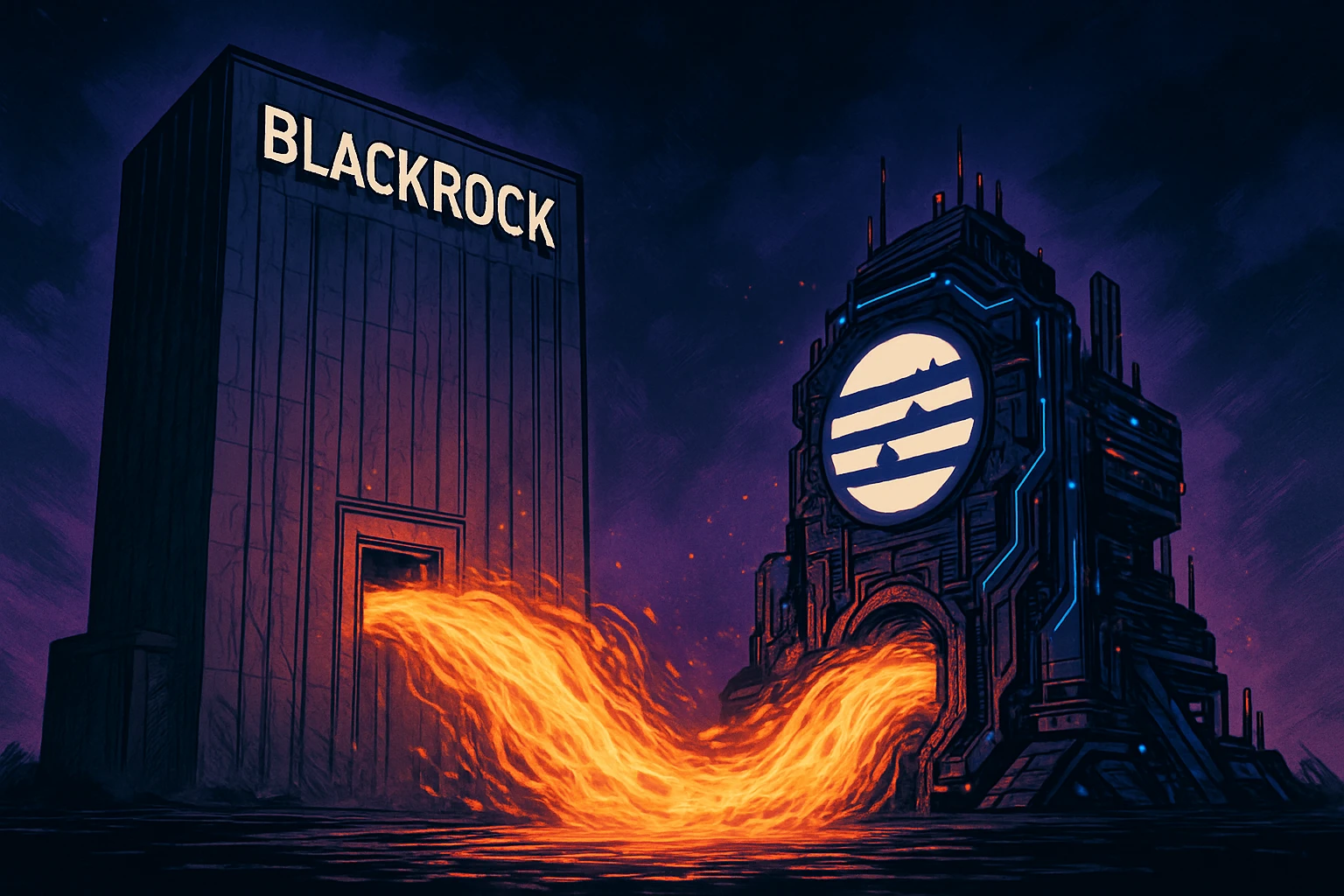
Huida invested US$1 billion in Nokia and became its largest shareholder! Nokia surged 21%. What is Huang Renxun’s plan behind the scenes?
Huida invested US$1 billion to acquire 2.9% of Nokia's shares and became the largest shareholder. Nokia's stock price soared 21%. The two parties will cooperate in the development of AI-RAN in the future and open a new chapter in 6G networks.
(Preliminary summary: NVIDIA and AMD agreed to Trump's "15% AI chip tax" in exchange for H20 and MI308 being imported into China, with gross profits remitted directly to Washington)
(Background supplement: All declines are paper tigers. Will the violent copycat season brought about by interest rate cuts be in the fourth quarter?)
Contents of this article
Huida (NVIDIA) CEO Jensen Huang 28 At the GTC conference held in Washington, it announced that it would subscribe for Nokia shares for US$1 billion in cash, becoming the largest shareholder with a 2.9% stake. As soon as the news became public, Nokia's share price immediately rose 21%, hitting a new high in the past decade.
The outside world focused on how this investment will extend Huida’s AI computing power from the cloud to the edge of the telecom network. The two parties announced that they will jointly build an AI-native 6G telecom computing platform ARC (Aerial RAN Computer).
Investment outline: US$1 billion in exchange for 2.9%
It is understood that Huida injected US$1 billion in cash into Nokia and obtained 166 million new shares. This capital injection does not involve board seats, emphasizing pure capital cooperation, with the goal of accelerating the integration of AI servers and base stations.
Market analysts pointed out that Huida and Nokia are at the chip and telecommunications ends, and the equity linkage is expected to bring cross-selling benefits and strengthen the negotiating leverage of both parties in operator bidding.
Geopolitical considerations: supply chain security and policy continuity
Huang Renxun at GTC The conference emphasized the importance of telecommunications security when talking about this investment. He said:
"Telecommunications technology is the lifeblood of industry and national security, but currently most wireless technologies run on foreign hardware. This situation must change. Cooperation with Nokia will help advance the interests of the United States."
The industry generally believes that this statement directly points to the share of Chinese suppliers in the global telecommunications market. Huida previously invested US$5 billion to support Intel in building factories in the United States, and now it is joining hands with Nokia in Europe to strengthen the independent supply chain of the Western camp and reduce potential geopolitical risks.
Aerial RAN technology roadmap: network intelligence
The concept of Aerial RAN is simply to put AI chips and algorithms directly into radio access network nodes, allowing the network to optimize spectrum allocation, energy scheduling and traffic management in real time.
Nokia will introduce NVIDIA Aerial RAN Computer Pro (ARC-Pro) based on the Blackwell GPU architecture into its future product lines to upgrade existing 5G base stations in a software-defined manner and prepare for 6G.
ARC-Pro can provide up to tens of TFLOPS of inference capabilities at the edge, allowing generative AI, IoT and autonomous driving applications to enjoy lower latency and higher reliability. Market research agency Omdia estimates that the AI-RAN market is expected to grow to US$200 billion by 2030, and T-Mobile U.S. plans to become the first commercial pilot operator in 2026.
Huida’s long-term strategy: dual-track expansion of capital and technology
Putting this investment into Huida’s trajectory in recent years, it can be seen that the company is no longer satisfied with its position as a GPU supplier, but is expanding the AI ecosystem on the dual-track of “capital + technology”.
In September 2025, Huida promised to invest US$100 billion to assist OpenAI in building a data center; soon after, it made equity investments in British Nscale and AI infrastructure company Crusoe. Although the investment in Nokia is only US$1 billion, it is the first time to penetrate into the bottom layer of telecommunications, allowing Huida to have a greater say in the formulation of future AI-RAN standards, and at the same time create sustainable income through licensing software and hardware platforms.
In the short term, Nokia has received R&D funds and market endorsement; in the long term, Huida has established pricing and standard advantages for the 6G generation by controlling the computing power ecosystem. The impact of this transaction is not only on the stock price, but also on the construction path of the global communications infrastructure in the next ten years.