South Korea’s Naver is acquiring Upbit crypto exchange! Can I use LINE to trade crypto assets and Korean won stablecoins in the future?
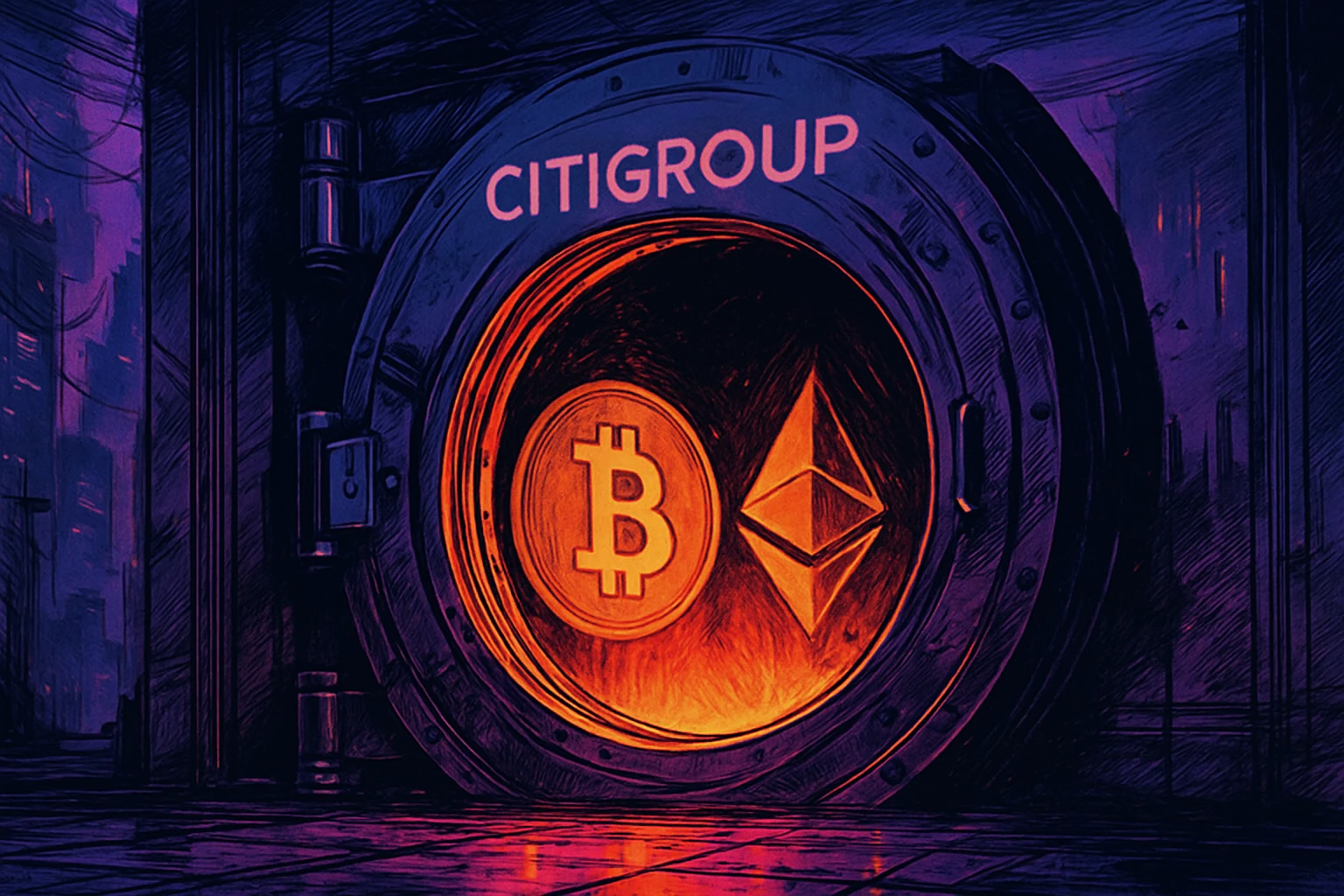
Naver plans to acquire Dunamu, the parent company of Upbit, in a share exchange to prepare for its competitor Kakao, targeting the Korean won stablecoin and crypto asset trading market.
(Preliminary summary: Naver: Morgan Stanley is rumored to acquire shares of "Korean exchange leader Bithumb" and plans to invest 300 billion won)
(Background supplement: Will it be implemented in 2027? In-depth analysis of the capital game behind the "difficult birth" of the Korean won stable currency)
Internet giant Naver, the parent company of LINE, a familiar communications company in Taiwan, is promoting transactions that may rewrite the digital financial landscape. According to Yonhap News Agency, Naver Financial, a subsidiary of Naver, plans to acquire Dunamu, the operator of Upbit, through a full stock exchange, and will incorporate Dunamu into a wholly-owned subsidiary after approval by the board of directors. The two parties are currently discussing details through government agencies.
Share exchange merger and dual platform complementation
Naver has accumulated more than 30 million users and 80 trillion won in annual transaction volume through Naver Pay. Dunamu controls nearly half of Upbit’s local market share and a daily trading volume of approximately US$2.9 billion. If this acquisition is completed, Naver will be able to integrate its huge traffic with Upbit's encryption infrastructure and launch a one-stop application that combines e-commerce, payment and digital assets.
Lock the Korean won stablecoin battlefield
The Seoul government abandoned the central bank’s digital currency plan in 2025 and instead focused on promoting private stablecoins. Key to Naver’s partnership with Dunamu is the issuance of a stablecoin fully backed by Korean won reserves. According to private estimates, this project can bring in annual revenue of 300 billion won by 2030. If successfully implemented, Naver will not only reduce the dependence of Chinese people on U.S. dollar-linked stablecoins, but also enhance local financial sovereignty.
The Virtual Asset User Protection Act, which is on the way in 2025, requires stablecoin issuers to hold 100% reserves and be subject to review by the Financial Services Commission. Although the law increases transparency, it may delay the official launch of stablecoins until 2027. At the same time, large-scale transactions will also be subject to antitrust review. In addition to Naver, KakaoPay and a number of traditional banks are also actively planning Korean won stablecoins, and the market competition has already taken shape.