Bitcoin Lightning Network joins forces: Breez, Lightspark, Tether, Plan ₿ Promote “Time2Build” to bind developers with mainstream applications
Breez and partners work together to promote the "Time2Build" plan, using the "merge and pay" reward mechanism to promote the mainstream adoption of the Bitcoin Lightning Network.
(Preliminary summary: How to use Bitcoin Lightning Network, first overcome these 6 major misunderstandings)
(Background supplement: What is Lightning Network Service Provider? The 5 important tasks of LSP)
Contents of this article
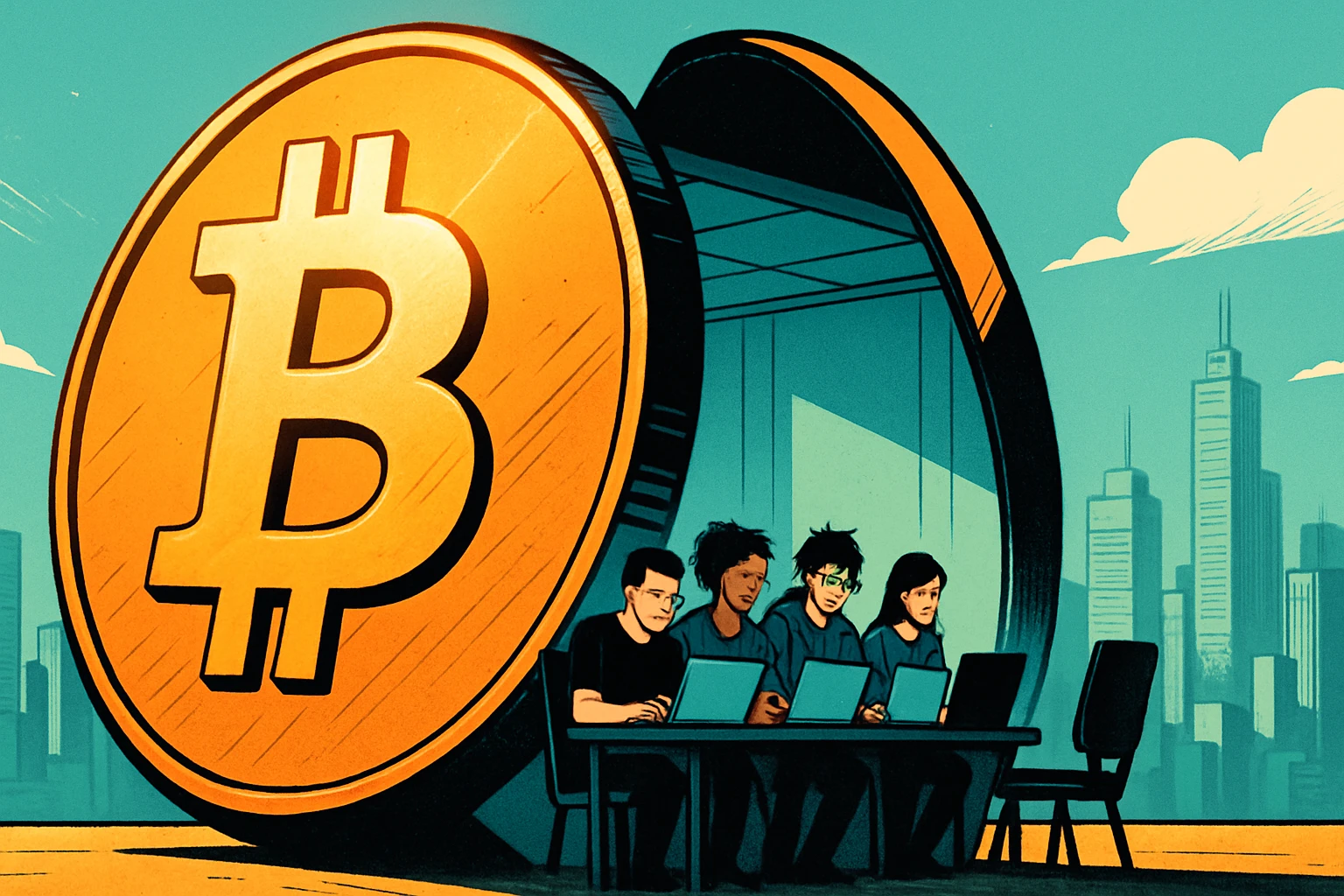
Bitcoin Lightning Network is no longer just a testing ground for technology enthusiasts in the past two years. On October 7, Lightning Network solution provider Breez joined hands with partners such as Lightspark, Tether and Plan ₿ Network to officially launch the Time2Build project, using the "Incorporate and Pay" model to lock in the last mile of open source projects integrating Lightning Network. Incentives are extended from the hackathon to the moment when the code is actually merged, with the intention of pushing the Lightning Network into broader, lasting daily use scenarios.
"Pay as soon as you merge": Bonuses point to long-term implementation
Traditional development bonuses are often awarded during the demo stage, and whether the function can be retained in the product for a long time is often variable. Time2Build sets a stricter threshold: only when the contributed code is reviewed by the maintainer and merged into the main branch of the Lightning Network technology stack, the developer will receive the bonus.
This approach not only ensures functional quality, but also allows project maintainers to become gatekeepers to avoid producing one-off, difficult-to-maintain assembled code just to "receive bonuses." The plan requires that participating projects must comply with FOSS authorization, have an active community and real users, to avoid the emergence of rat warehouses.
The prize pool is jointly funded by Breez, Lightning Network infrastructure provider Lightspark, stablecoin giant Tether, and Bitcoin education institution Plan ₿ Network, with additional nurturing support from DraperU and PlebLab. The common goal behind the financial support is to transform the Lightning Network from a "technical promise" into a "real function", allowing users to enjoy an off-chain instant, low-fee payment experience without even realizing it.
Breez SDK: lowering the integration threshold
The core technology supporting Time2Build is Breez Bitcoin Lightning Network SDK. According to official documents, the SDK provides end-to-end tools that allow developers to quickly deploy self-hosted wallets and payment channels in existing applications, and can be seamlessly connected with services such as Lightspark. The self-custody design ensures that users retain control of their private keys and do not have to entrust their assets to a centralized platform, which is in line with the "disintermediation" spirit of Bitcoin.
The Lightning Network itself uses off-chain channels to alleviate the speed and cost bottlenecks of the Bitcoin main chain. Transactions are completed within milliseconds and the cost is often less than 1 Satoshi. According to 1ML statistics, as of the 9th, the Lightning Network has nearly 1,600 nodes, more than 43,500 payment channels, a total capacity of 3,869 Bitcoins, and a market value of approximately US$480 million, showing that the scale of the network is steadily expanding.

Diversified implementation of Lightning Network from finance to retail
In the past year, non-encryption native companies have gradually adopted Lightning Network, which has established market confidence in Time2Build. In August 2024, digital bank SoFi Technologies became the first US financial institution to allow users to conduct cross-border transfers through Lightning Network through a universal currency address. Spar, the Swiss retail leader. The introduction of lightning payment in April of the same year proved that physical stores can also easily access it.
In early 2024, Tether brought USDT to the Lightning Network and provided low-latency options for stablecoin transactions. These cases show that when the payment experience is seamlessly connected with the existing process, users will not care about whether it is L2 or L1, but only care about speed and cost.
Challenges and Outlook: From the open source community to the mass market
Time2Build The strength of Time2Build lies in locking code merging with cash flow, but to make the function survive for a long time, continuous maintenance and user education are still needed. For end users, node management and channel capacity are still not intuitive; for developers, stability, debugging tools and regulatory uncertainty also need time to adjust. The current strategy is to cultivate high-quality examples from the open source community and then push these modular results into commercial applications.
Even though there are still challenges ahead, Time2Build Provides a replicable incentive framework: tying developers, project maintainers and fund providers into the same "merger" chain.
When the completion of each Pull Request means real money is put into the pocket, developers have more incentives to invest in long-term maintenance; when functions directly serve users, the project naturally has the power to continue to grow. As the trend of global payment digitization accelerates, the Bitcoin Lightning Network is expected to rely on such projects to leap from a niche technology to a common underlying protocol for cross-border payments. In the not-too-distant future, users may simply swipe their phones to complete a cross-border, low-cost, instant settlement, and the spark behind it quietly ignites every time the code is merged.