Jack Dorsey calls Bitcoin to "delete Satoshi Nakamoto": Personality worship affects the development of BTC and the smallest unit of Satoshi should be changed
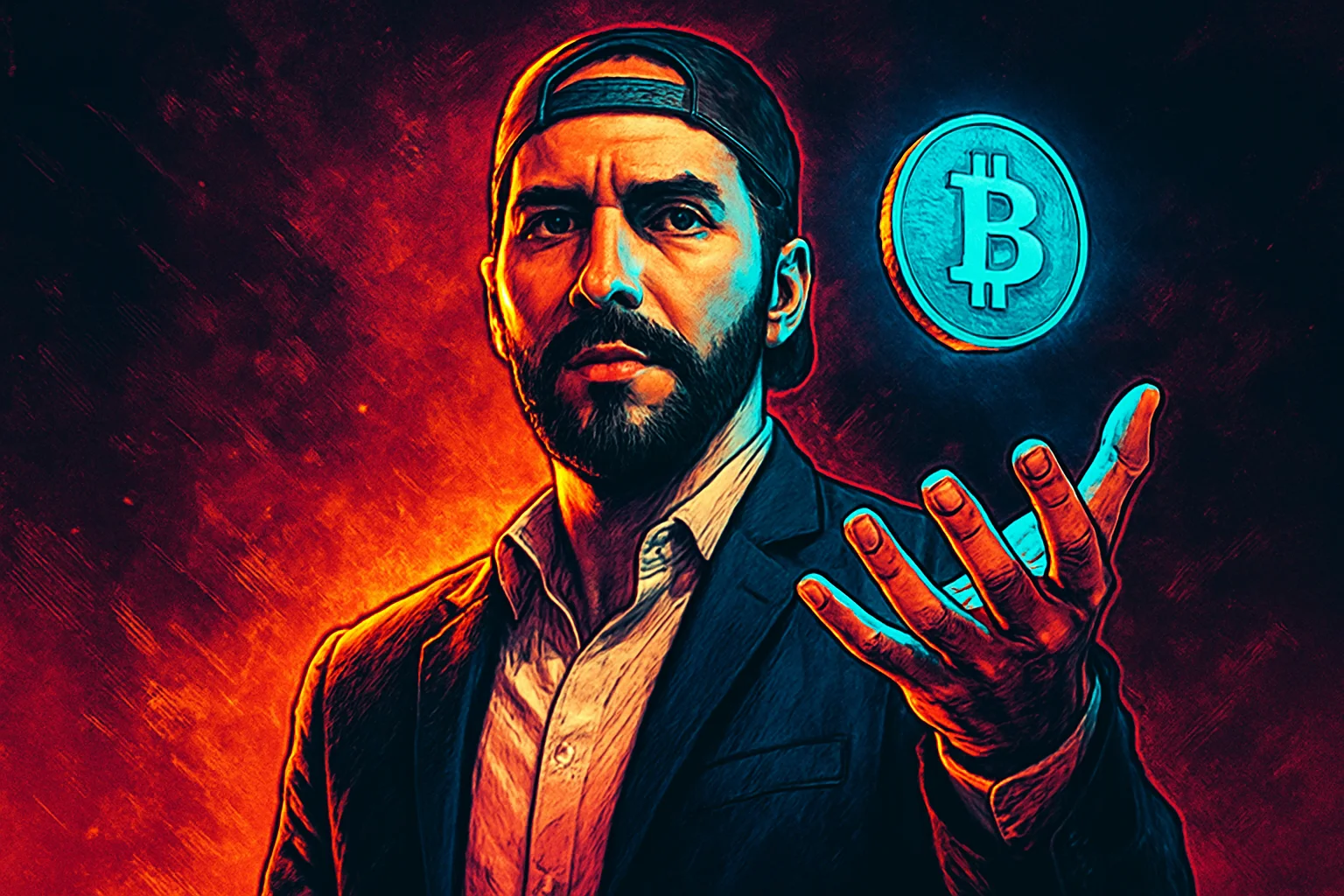
Jack Dorsey, the former CEO of Twitter and Square, called for the rebranding of Bitcoin to get rid of the personality worship of Satoshi Nakamoto and emphasize its decentralized nature, triggering deep thoughts on the future path of Bitcoin.
(Previous summary: Is Twitter founder Jack Dorsey Satoshi Nakamoto? DeBanked CEO threw out 51 clues to identify Jack Dorsey)
(Background supplement: Cambridge report: Bitcoin mining "clean energy" usage has reached 52.4%, will Tesla restart BTC payments? )
Contents of this article
Former Twitter and financial technology company Square (now renamed Block CEO Jack Dorsey has put forward forward-looking and novel views on the future development of Bitcoin. He publicly pointed out that the mysterious aura and identity of Bitcoin’s anonymous founder “Satoshi Nakamoto” may have become a “disruptive factor” in the long run and may even hinder the further evolution of Bitcoin. Therefore, he believes that the community should give up on Dorsey's "abandon Satoshi" rebranding
Jack Dorsey strongly called on the Bitcoin community on The underlying logic of why he emphasized the importance of abandoning or downplaying the symbol "Satoshi Nakamoto" lies in his keen insight into the fundamental contradiction between the continued focus and personality worship of the anonymous founder and the cornerstone of Bitcoin's existence - the core spirit of "decentralization."
Dorsey He believes that this tendency to focus too much on the identity of the founder will inadvertently cause Bitcoin, a revolutionary technology, to be misunderstood by the outside world as just a personal project of a genius, while ignoring that this is an open peer-to-peer network that is truly built and maintained by countless participants around the world. He once said publicly: p>
"I think one of the most critical tasks for the current community is to work hard to get rid of the attachment complex to the identity of the founder. Frankly speaking, the name 'Satoshi Nakamoto' itself has constituted a kind of interference."
Dorsey To further explain, the so-called rebranding is by no means as simple as just replacing a name or logo. Its more far-reaching significance lies in the need to more accurately and effectively convey to global users the true vision and core value of Bitcoin as a potential inclusive financial infrastructure and a truly decentralized, censorship-resistant network. He believes that only by continuing to strengthen its community-driven and open nature of participation without specific permissions can Bitcoin more effectively attract acceptance and adoption by a wide range of mainstream institutions and individual users, and eventually be understood by the world as a true global public good, completely getting rid of the image of a technical project tied to any specific individual or organization.
De-Satoshi BIP-177
Some community members agreed with Dorsey’s point of view and co-sponsored the new Bitcoin proposal BIP-177. The proposer, software developer John Carvalho, mentioned that the smallest unit of Bitcoin, satoshi, should be renamed bitcoin, that is, 1 BTC = 100,000,000 bitcoin, and Dorsey Recently, the proposal has been continuously promoted and reposted on X. The total number of views of the proposal and the repost on Twitter has exceeded 1 million times.
The community supporting BIP-177 believes that further "depersonalization" will help consolidate and strengthen Bitcoin's censorship resistance and its properties as public infrastructure. But on the other hand, a considerable number of supporters may believe that Satoshi Nakamoto, as the founder of Bitcoin, an epoch-making invention, has an indelible historical contribution and symbolic significance that should not be easily abandoned or deliberately downplayed.
Extended reading: 1 BTC = 100 million bitcoins? What exactly is the Bitcoin proposal BIP 177?
Dilemma under decentralization: the challenge of brand consensus
However, it is worth noting that in a highly decentralized Internet ecosystem that lacks a central decision-making body, trying to promote any form of "rebranding" initiative is bound to be full of challenges. Although Jack Dorsey's suggestion is insightful, it is bound to arouse diverse and even opposing voices and reactions within the loosely structured but dynamic Bitcoin community.
But in fact, there are fundamental problems in promoting any Bitcoin proposal in the past. How to reach broad consensus on highly subjective and complex issues such as brand positioning and public image creation in a system that does not have a central authority and relies on the consensus of participants. This tests the collective wisdom of the community. More often, it requires long-term communication, in-depth education and a difficult consensus-building process at the community cultural level. This is destined to be a time-consuming and uncertain evolution process.