Hong Kong Cryptocurrency OTC Robbery "1 Billion Yen Moved in 30 Seconds", the police arrested 15 people including the mastermind, and the stolen money has not yet been found
A robbery of 1 billion yen occurred while transporting 1 billion yen to an OTC store in Sheung Wan, Hong Kong, highlighting the dangers posed by the need for "manpower to transport cash" for physical face-to-face transactions of cryptocurrency.
(Preliminary summary: Hong Kong compliance exchange HashKey Holdings is officially listed on the Hong Kong Stock Exchange)
(Background supplement: Hong Kong Crypto Asset Reporting Framework CARF analysis: What impact will it have on exchanges, investors, and custodians? )
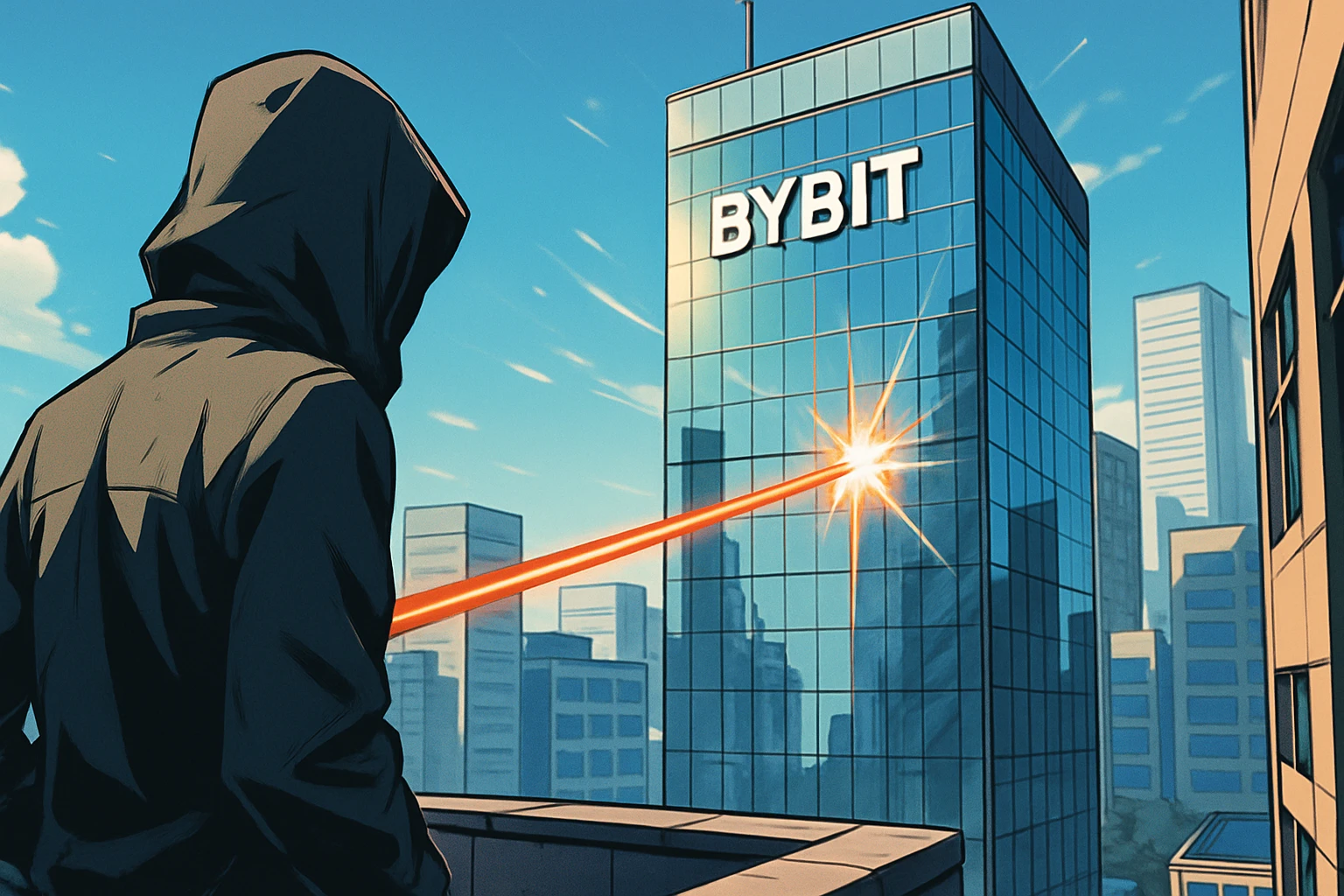
On the morning of December 18, a shocking case of a robbery of 1 billion yen occurred outside New Era Plaza at 181 Queen's Road Central, Sheung Wan, Hong Kong, in half a minute. Two employees of a Japanese company employed in cryptocurrency and luxury goods carried four suitcases containing 1 billion yen in cash (approximately HK$50 million), and planned to find a nearby cryptocurrency OTC "exchange shop" to exchange them for Hong Kong dollars and virtual currencies.
On the way, three masked gangsters armed with beef knives intercepted him, took away four boxes of cash within 30 seconds, and then fled in multiple rescue vehicles.
The police arrested 15 people within five days, but the cash has not been recovered
After the incident, the Hong Kong police launched a cross-district pursuit and found the first abandoned seven-passenger car from Sok Hang Street in Sheung Wan, and then used road photography and electronic footprints to identify the persons involved.
As of the early morning of December 23, the police had arrested 15 Hong Kong residents (11 men and 4 women), aged 20 to 69, some of whom were allegedly related to local triads.
According to HK01 reports, seven people have been charged with "conspiracy to commit robbery" and appeared in court, while the rest are temporarily on bail pending investigation. Investigators said that the plotter is believed to have been arrested, but the whereabouts of the 1 billion yen is still unknown.
The exchange of large amounts of OTC cash has become dangerous
This case triggered extensive discussions in the Web3 circle, and the focus fell on the structural reasons why "offline over-the-counter (OTC)" has become a necessary process. In 2025, anti-money laundering regulations in various countries will become increasingly strict, and Hong Kong's compliant banks with encryption services will still adopt high thresholds for opening accounts in the encryption industry.
This model is generally divided into physical cash settlement first, and then the OTC intermediary transfers the equivalent stable currency to the designated wallet immediately. However, the first step relies purely on manpower to transport cash, and risks are concentrated in "physical weak points" such as intersections, parking lots, and elevators. Large amounts of cash in particular are easily attracted by gangs.
After the incident, it was rumored that many OTC intermediaries in Hong Kong began to strengthen their processes, such as completing peer-to-peer transactions in bank vaults, requiring bilateral blockchain transfers as collateral, or hiring security teams to accompany them. However, as long as cash must still appear on the streets, it will be difficult to completely eliminate physical threats.